2016 Conference for Preservation Technologies for Moveable Art Works at Suzhou Museum, Suzhou China
Last Updated on Wednesday, 14 December 2016 07:40 Written by Robert Lipsky Wednesday, 14 December 2016 07:40
On October 21, 2016 the Special Committee for Storage of the Association of Museums in China in cooperation with the Special Committee for Storage of Art Works of the Museum Academy of Jiangsu Province at Suzhou Museum, Suzhou, held a conference to discuss preservation technologies for the preservation respectively storage of art works. As partner for the organization of the event Full-Grown Leading Science Development Co., Ltd., an INTERCEPT China partner, was selected. Suzhou museum is the main museum body of Jiangsu province.


Suzhou Museum was opened in 1960. The new main building of Suzhou Museum was finished in 2006. Design of the new museum premises, a design in a modern-traditional Chinese theme, was done by well-known Chinese-American architect I. M. Pei (Ieoh Ming Pei), currently 99 years old, who designed the Bank of China tower in Hong Kong and the Pyramid at the Louvre Palace in Paris. Attendance to the conference were mainly specialists from the field of art work preservation and museum heads from 30 major provincial museums of China.
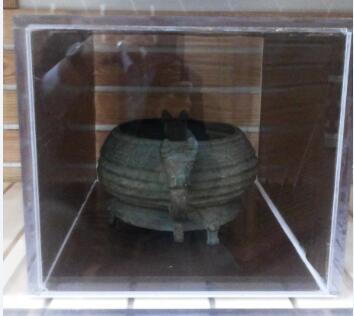
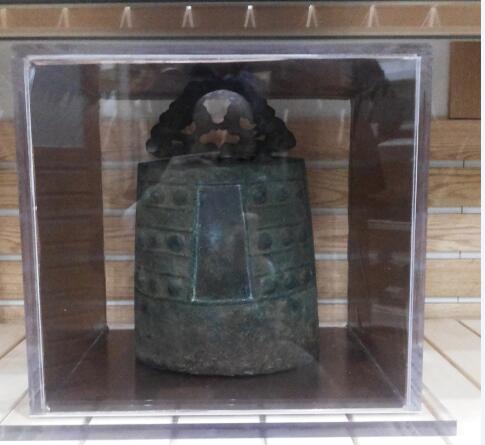
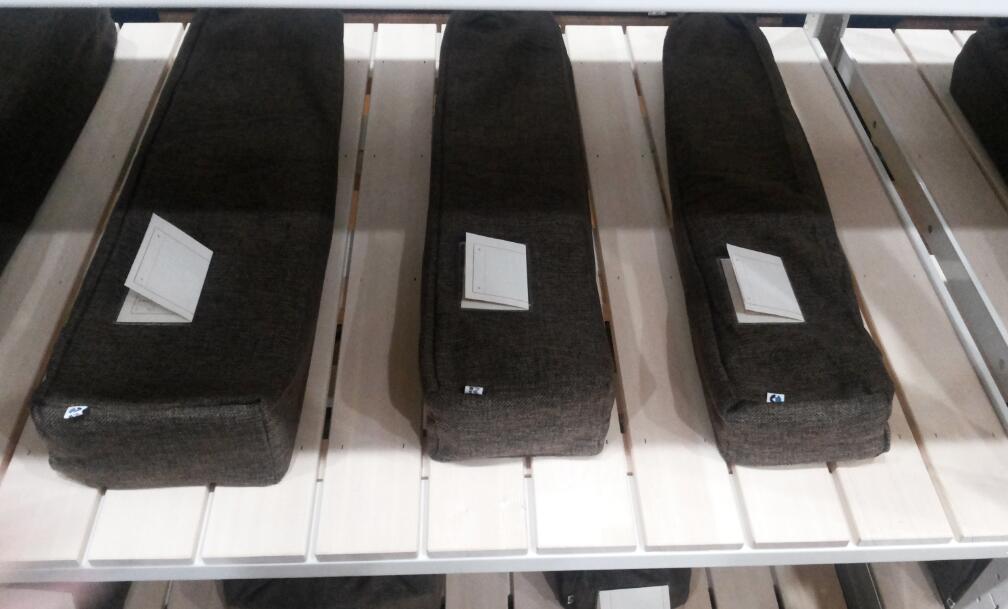
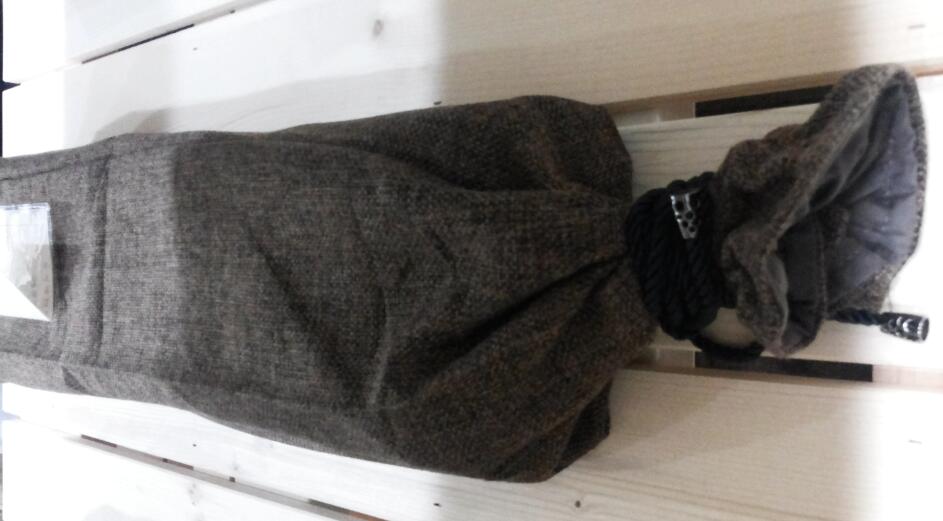
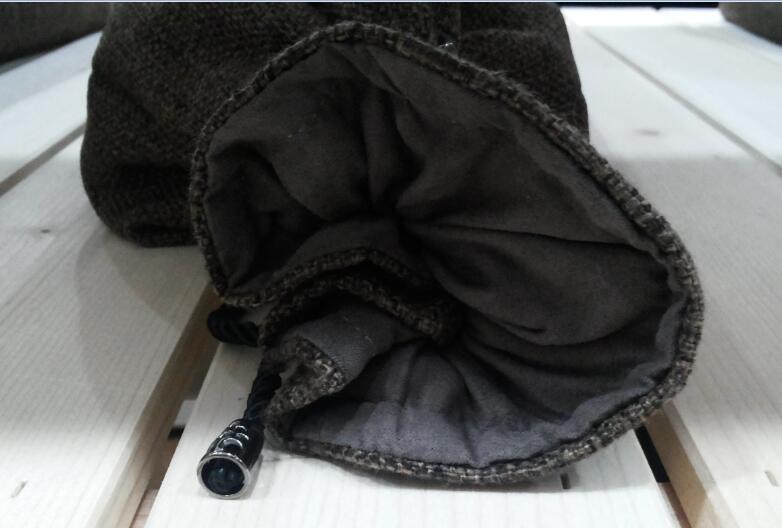
Presentation and discussions dealt with preservation technologies in particular environmental control techniques and control of corrosion. Special attention was put on the design and operation of controlled environments in storage vaults. Existing methods have been performing not entirely perfect since every year preservations in use shows a degrading rate of an average of 1.5% despite using state-of-the-art filters and barrier technologies. That means after 100 years of preservation only 22% of the art work would be left. Recently Full-Grown Leading Science Development Co., Ltd. and INTERCEPT China introduced and implemented the INTERCEPT Technology for preservation purposes at Suzhou Museum protecting various art works at the museums vaults. Among other methods in particular a combination INTERCEPT Velvet material was used together with a thick fabric. This made sure that priceless art works can be protected from corrosion effectively without the yearly degrading.